

Buying a new air conditioner should not feel like studying for a science exam.
But then you hear terms like single-stage, two-stage, variable-speed, SEER2, and compressor technology. Suddenly, you are standing there wondering if you are buying an AC system or launching a small rocket.
The good news is this: the basic difference is not that complicated.
A single-stage air conditioner is the simpler option. A variable-speed air conditioner is the more advanced option. Both can cool your home. But they do not cool your home in the same way.
The right choice depends on your home, your comfort needs, and your budget.
Let’s break it down without making this weird.
What Is a Single-Stage Air Conditioner?
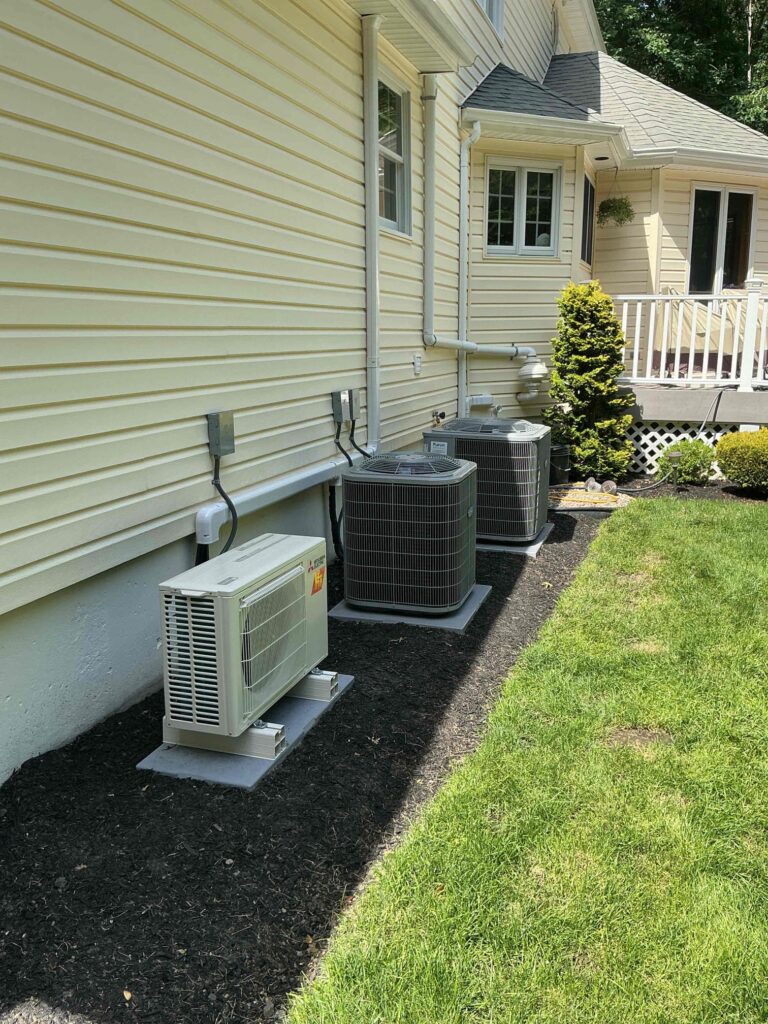
A single-stage air conditioner is the traditional type of central AC system.
It has one cooling speed. Full power.
When your thermostat calls for cooling, the system turns on at 100%. When the home reaches the set temperature, the system shuts off.
That is the whole routine.
On. Off. On. Off.
Very dramatic. Very committed.
How Does a Single-Stage AC Work?
A single-stage AC uses a compressor that runs at one fixed speed.
That means it cannot adjust itself based on how much cooling your home actually needs. It does not care if it is 82 degrees outside or 98 degrees outside. When it runs, it runs at full blast.
This can cool your home quickly. That is one benefit.
But it can also create more temperature swings. The home warms up. The AC kicks on. The home cools down. The AC shuts off. Then the cycle starts again.
This is called cycling.
Some cycling is normal. But frequent cycling can affect comfort, humidity control, and efficiency.
Is a Single-Stage AC Good Enough for Most Homes?
Yes, a single-stage AC can be good enough for many homes.
It is usually the more affordable option upfront. It is also simpler, which can make repairs more straightforward in some cases.
A single-stage AC may be a good fit if:
- You want a lower installation cost.
- Your home already cools evenly.
- Humidity is not a major problem.
- You do not mind normal AC noise.
That said, “good enough” depends on the home.
If your upstairs feels like a toaster oven, your downstairs feels like a meat locker, and your thermostat is being treated like a light switch, then a basic system may not solve everything.
What Is a Variable-Speed Air Conditioner?
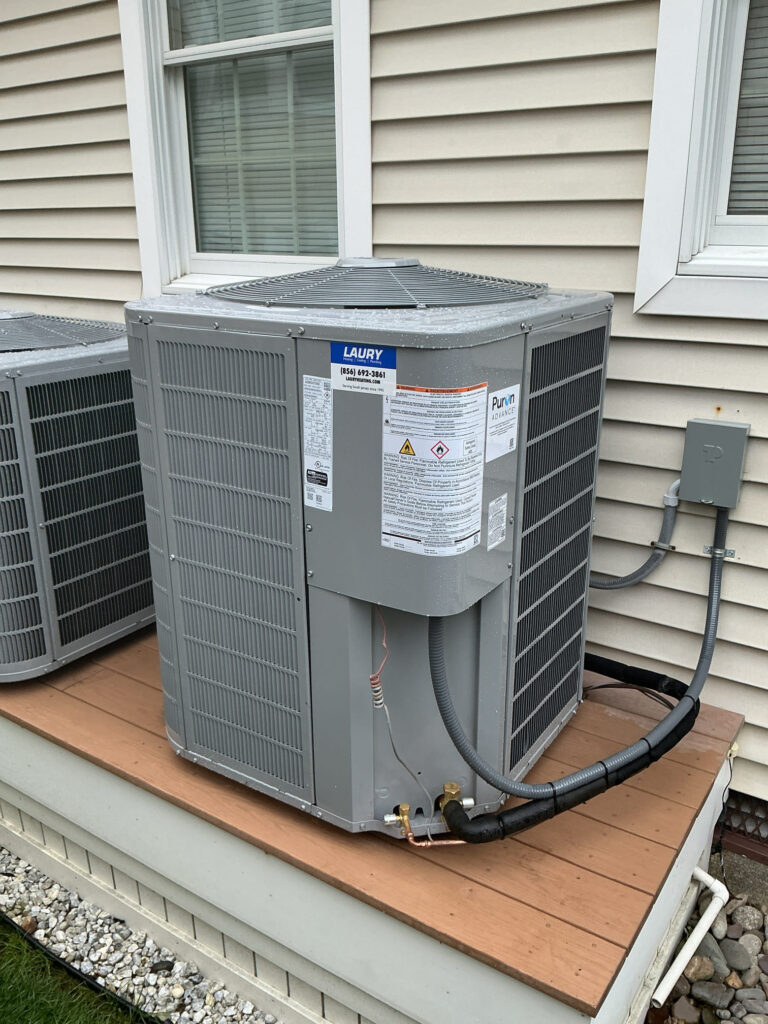
A variable-speed air conditioner is a more advanced cooling system.
Instead of only running at full power, it can adjust its speed. It can run lower and slower when your home needs less cooling.
Many variable-speed AC systems use inverter technology. That means the compressor can speed up or slow down instead of only turning on or off.
A variable-speed AC is like a car speeding up or slowing down as needed, instead of only driving at full speed or stopping completely.
A single-stage AC is more like gas, brake, gas, brake. It works. But it is not exactly smooth.
A variable-speed system is steadier, quieter, and a bit less dramatic.
How Does a Variable-Speed AC Work?
A variable-speed AC uses a compressor that can operate at different speeds.
On mild days, it may run at a lower speed. On very hot days, it can increase output. This allows the system to match your home’s cooling needs more closely.
Instead of big on-and-off swings, the system makes smaller adjustments.
This can help with:
- More even temperatures
- Better humidity removal
- Quieter operation
- Better energy efficiency
- Less start-and-stop stress on the system
The system is still doing the same basic job. It is cooling your home.
It is just doing it with more control.
Why Do Variable-Speed AC Systems Feel More Comfortable?
Variable-speed systems often feel more comfortable because they run longer at lower speeds.
That may sound odd at first. Many homeowners think shorter run times are always better. But with air conditioning, longer and steadier can be a good thing.
When an AC system runs longer, it has more time to move air through the home. It also has more time to remove humidity from the air.
That matters.
A home with lower humidity often feels cooler, even at the same thermostat setting.
For example, 74 degrees with good humidity control may feel much better than 72 degrees with sticky air. Nobody wants their living room to feel like a damp towel with furniture.
Single-Stage vs. Variable-Speed AC: What Is the Difference?
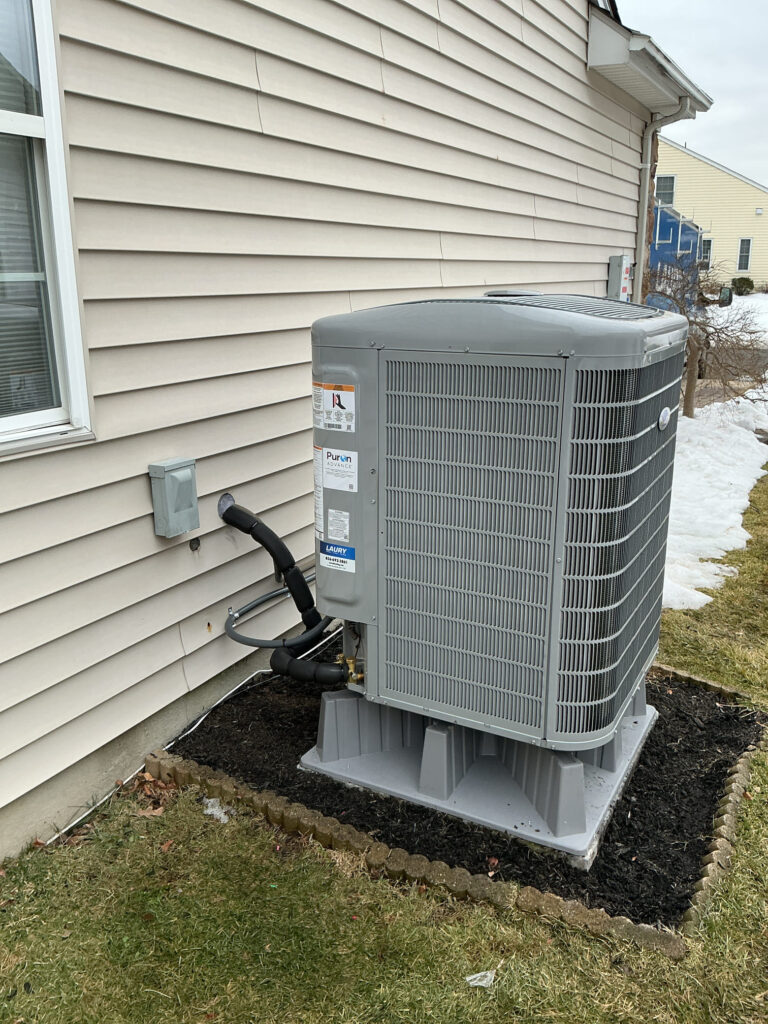
The main difference is how each system cools your home.
A single-stage AC runs at full capacity whenever it is on.
A variable-speed AC adjusts its capacity based on demand.
That difference affects comfort, humidity, noise, efficiency, and price.
Which AC System Keeps Your Home More Comfortable?
A variable-speed AC usually provides better comfort.
It can keep the temperature more consistent throughout the day. It also helps reduce the hot and cold swings that can happen with single-stage systems.
Single-stage systems can still cool well. But they tend to cool in stronger bursts.
That may be fine in some homes. In others, it can lead to rooms that never feel quite right.
This is especially common in homes with:
- Larger layouts
- Two stories
- Poor insulation
- Older ductwork
- Big sun-facing windows
- Additions or finished spaces over garages
In those homes, comfort is not just about having cold air. It is about having the right amount of cooling in the right places.
Which AC System Handles Humidity Better?
Variable-speed AC systems usually handle humidity better.
This is one of the biggest benefits.
Air conditioners remove moisture as they cool the air. But they need enough run time to do that well.
A single-stage AC may cool the home quickly and shut off before it removes enough humidity. That can leave the air feeling clammy.
A variable-speed system can run longer at a lower speed. This gives it more time to pull moisture from the air.
In South Jersey, that matters. Summer heat is one thing. Summer humidity is the part that makes you question your life choices while walking to the mailbox.
Better humidity control can make the home feel more comfortable without setting the thermostat as low.
Which AC System Is More Energy Efficient?
A variable-speed AC is usually more energy efficient.
Because it can adjust its output, it does not always need to run at full power. It can operate at lower speeds when your home only needs light cooling.
This can reduce energy use over time.
However, your actual savings depend on several things:
- The size of your home
- The condition of your ductwork
- Your insulation
- Your thermostat settings
- Local electric rates
- The quality of the installation
- How old and inefficient your current system is
A variable-speed AC is not magic. It is not going to make your electric bill disappear and bring you a sandwich.
But it can help lower energy use when it is properly sized and installed.
Which AC System Is Quieter?
Variable-speed AC systems are usually quieter.
Since they often run at lower speeds, they do not make as much noise as a system that kicks on at full power every time.
This can be helpful if your outdoor unit is near:
- A bedroom window
- A patio
- A deck
- A neighbor’s house
- A home office
Indoor comfort can also feel quieter because the airflow is more steady and less forceful.
A single-stage system may be louder because it has one mode: full send.
Again, effective. Just not subtle.
Is a Variable-Speed AC Worth the Extra Cost?
This is the big question.
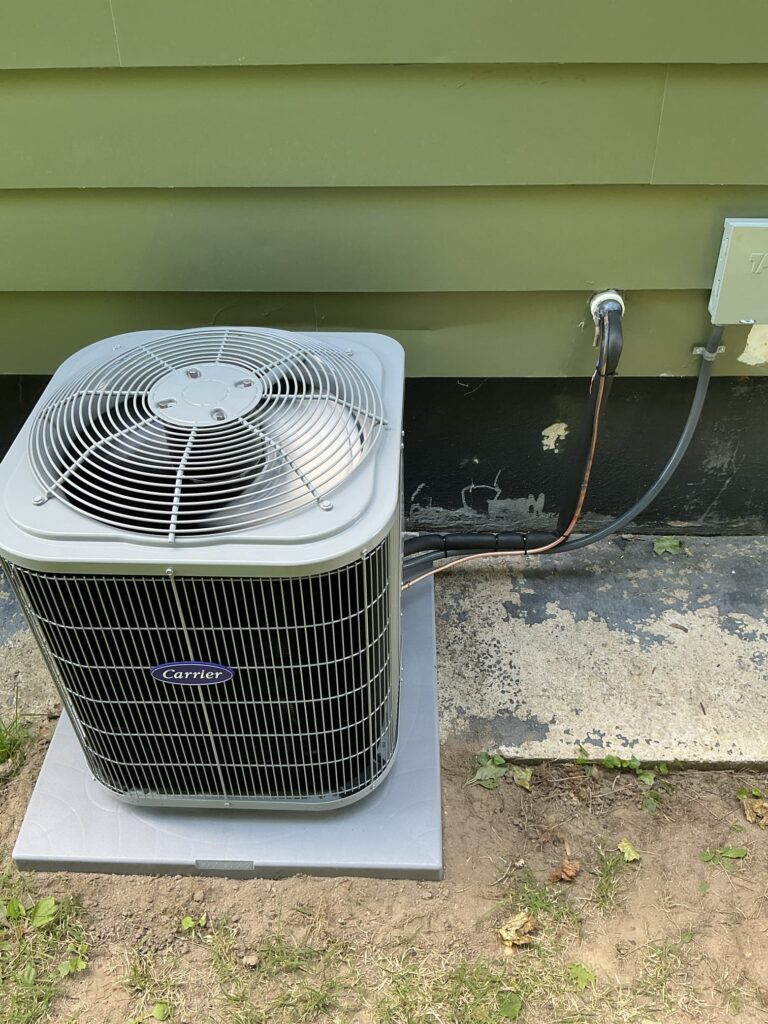
A variable-speed AC usually costs more to install than a single-stage AC. That is the tradeoff.
You pay more upfront for better comfort, better humidity control, quieter operation, and higher efficiency.
For some homeowners, that is worth it.
For others, a single-stage system is the smarter choice.
When Is a Variable-Speed AC Worth It?
A variable-speed AC may be worth it if comfort is a top priority.
It is also worth considering if your current system struggles with humidity, uneven temperatures, or high energy bills.
A variable-speed system may be a good fit if:
- Your home has hot and cold spots.
- Your upstairs is hard to cool.
- Your home feels humid even when the AC is running.
- You want a quieter system.
- You want better energy efficiency.
- You are replacing an old, inefficient AC system.
It can also be a smart choice for homeowners who are tired of constantly adjusting the thermostat.
Because really, the thermostat should not be the most handled object in the house.
When Is a Single-Stage AC the Better Choice?
A single-stage AC may be the better choice if budget is the main concern.
It can also make sense if your home is smaller, already cools evenly, or does not have major comfort issues.
A single-stage AC may be a good fit if:
- You want a lower upfront cost.
- Your current system kept the home comfortable.
- Humidity is not a major issue.
- You want a simple replacement option.
- There is nothing wrong with choosing a single-stage system.
The key is knowing what you are getting. It is usually less expensive, but it may not offer the same comfort or efficiency as a variable-speed system.
What Else Matters When Choosing a New AC System?
The type of AC system matters.
But it is not the only thing that matters.
A great piece of equipment can still perform poorly if it is the wrong size or installed badly.
That part is important.
You can buy a premium variable-speed system, but if it is connected to poor ductwork or sized incorrectly, you may still have comfort problems.
That is like buying fancy running shoes and then tying them together. Technically, you own good shoes. You are still falling over.
Why AC Size Matters So Much
AC size is one of the most important parts of the decision.
An air conditioner that is too small may run constantly and still fail to cool the home properly.
An air conditioner that is too large may cool the home too quickly and shut off too soon. That can cause short cycling, poor humidity control, and uneven comfort.
Bigger is not always better.
The right AC system should be sized based on the home. Not just square footage. A proper recommendation should also consider:
- Insulation
- Windows
- Ductwork
- Ceiling height
- Sun exposure
- Home layout
- Existing comfort problems
This is why a real evaluation matters.
Guessing is not a load calculation. It is just guessing with a clipboard.
Why Installation Quality Matters More Than Most Homeowners Realize
Installation quality can make or break the system.
A properly installed single-stage AC can perform better than a poorly installed variable-speed AC.
The contractor should look at the full system. That includes the outdoor unit, indoor coil, blower, refrigerant lines, thermostat, airflow, ductwork, and drainage.
Small installation problems can create big comfort problems.
Poor installation can lead to:
- Weak airflow
- Higher energy bills
- More repairs
- Short cycling
- Water leaks
- Poor humidity control
- Shorter system life
This is why choosing the right HVAC company matters.
The equipment is important. But the people installing it are just as important.
Should You Choose a Single-Stage or Variable-Speed AC?
The best choice depends on your home and your goals.
If you want a simple, lower-cost replacement, a single-stage AC may be enough.
If you want better comfort, quieter operation, improved humidity control, and higher efficiency, a variable-speed AC may be worth the extra cost.
There is no one-size-fits-all answer.
There is only the right fit for your home.
The Best AC System Depends on Your Home, Budget, and Comfort Goals
Before choosing between a single-stage and variable-speed AC, think about what matters most to you.
Ask yourself:
- Is upfront cost the biggest concern?
- Do some rooms feel warmer than others?
- Does the house feel humid in the summer?
- Is the current system loud?
- Are energy bills too high?
- Do I want basic cooling or better overall comfort?
Your answers will help point you in the right direction.
A single-stage system may be the practical choice.
A variable-speed system may be the comfort choice.
Both can work. But they solve different problems.
Talk With a Local HVAC Contractor Before Choosing Your New AC
Before deciding, have a local HVAC contractor evaluate your home.
A good contractor should not just sell you the most expensive system. They should explain your options clearly. They should help you understand the difference between single-stage and variable-speed AC systems based on your home.
That includes your comfort issues, your budget, your ductwork, and your long-term plans.
At Laury Heating Cooling & Plumbing, we help homeowners choose AC systems that fit their homes, whether they are in Vineland, Millville, or anywhere in South Jersey. Not just systems that sound impressive on paper.
Because the goal is simple.
Your home should feel comfortable. Your system should be reliable. And you should understand what you are paying for.
That should not be too much to ask.
Especially when the AC is the only thing standing between you and a South Jersey summer.