How Long Does a Furnace Last? When Age Starts to Matter
Laury Heating
Most furnaces last 15 to 20 years. A well-installed furnace with regular maintenance may last longer. However, age alone does not determine when to replace it. Condition, repair history, safety, energy use, and comfort also matter.
If your furnace is approaching 10 years old, start paying closer attention to how it operates. You do not need to replace it automatically. An inspection can help you plan before a breakdown forces a rushed decision.
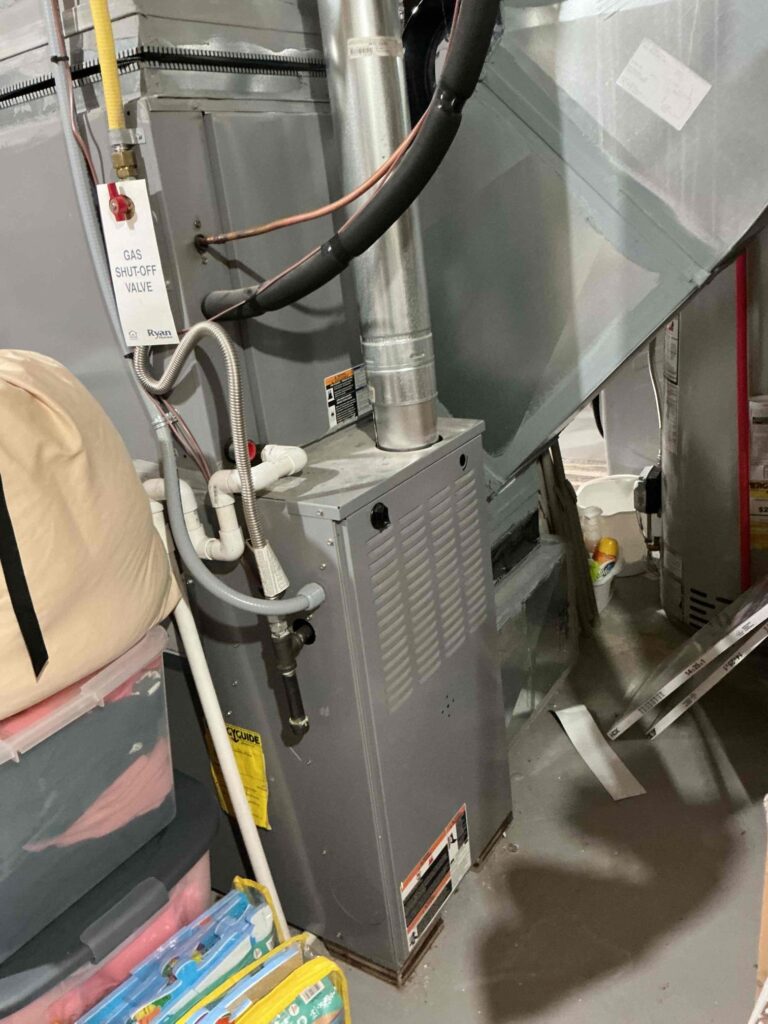
An older furnace may still operate, but its condition and repair history help determine whether repair or replacement makes sense.
What Is the Average Furnace Lifespan?
The average furnace lifespan is about 15 to 20 years. Carrier gives the same general range for a well-maintained system. Some furnaces run longer, but age does not guarantee reliable or efficient performance.
ENERGY STAR recommends considering replacement once a furnace is more than 15 years old, especially when repairs or energy costs are increasing. These are planning points, not expiration dates.
Use these age ranges as a guide:
Under 10 years: Repair is often practical if the system is in good condition.
10 to 14 years: Condition and repair costs become more important.
15 to 20 years: Compare the value of repair and replacement before approving major work.
Over 20 years: Reliability, safety, efficiency, and parts availability deserve close attention.
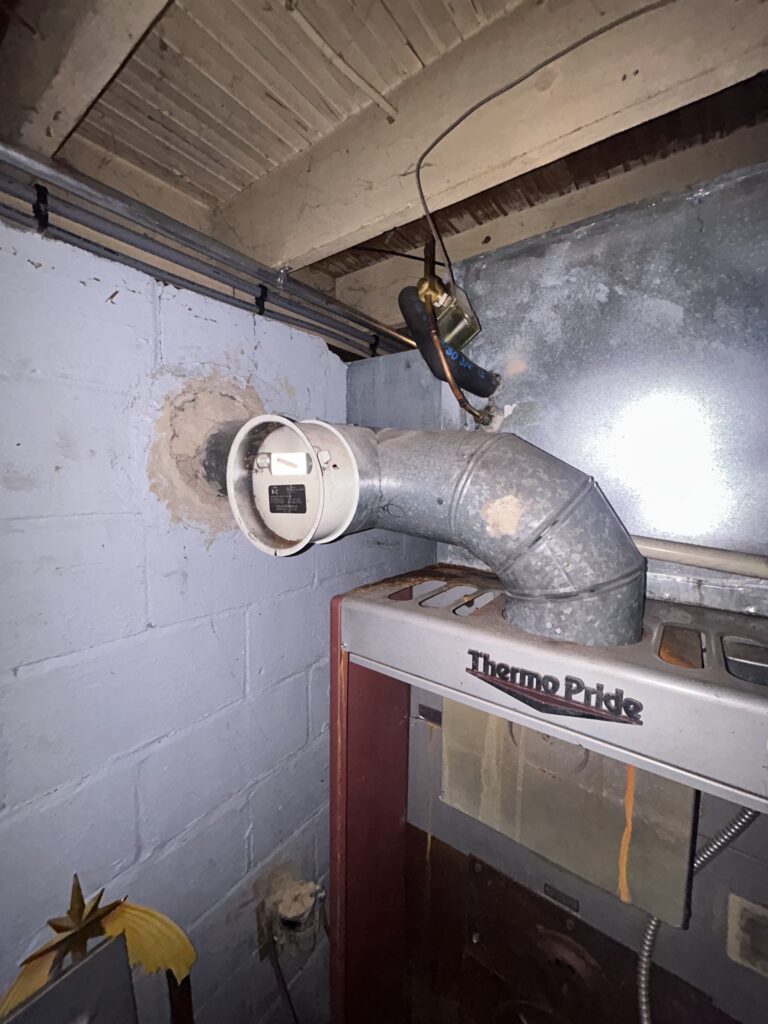
The age, condition, maintenance history, and venting of an oil furnace should all be evaluated before deciding whether to repair or replace it.
When Does Furnace Age Become a Problem?
An older furnace may still heat your home. The concern begins when its age is combined with changes in performance.
Watch for these warning signs:
Frequent or increasingly expensive repairs
Rising heating costs without a clear cause
Uneven temperatures between rooms
Weak airflow
Short, frequent heating cycles
Delayed starts or difficulty turning on
New rattling, grinding, buzzing, or booming sounds
Replacement parts that are difficult to find
One problem does not always mean the furnace needs replacement. Uneven heating, for example, can come from duct leaks, poor insulation, or restricted airflow. A proper evaluation should check the entire heating system.
Safety problems are different. A damaged heat exchanger, venting problem, or unsafe combustion reading requires prompt professional attention. Do not continue using a furnace that a qualified technician has identified as unsafe.
The New Jersey Department of Health recommends annual professional inspection and maintenance of gas-fired heating equipment. Homes with fuel-burning equipment should also have working carbon monoxide alarms.
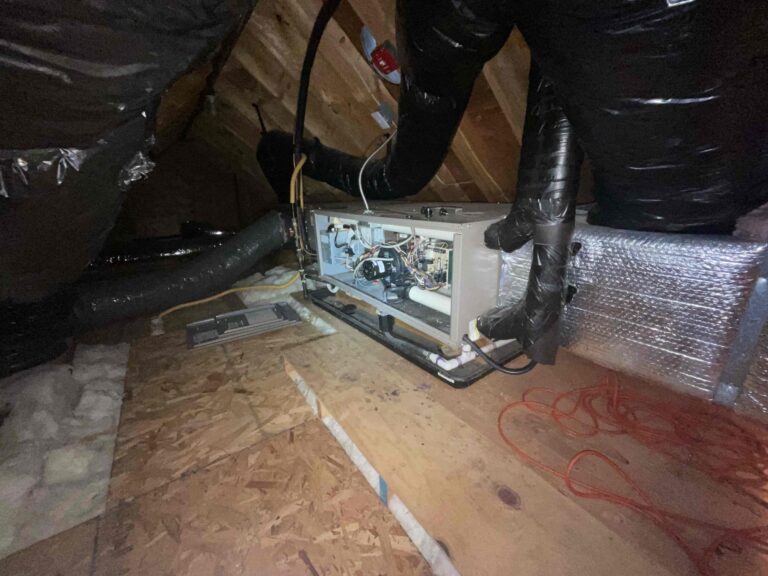
An older attic furnace may be ready for replacement when age is combined with recurring repairs, poor performance, or safety concerns.
What Affects Furnace Life Expectancy?
Two furnaces of the same age can be in very different condition. Installation, maintenance, airflow, and workload all affect how long they last.
Installation & Sizing
A furnace must be properly sized for the home. Airflow, fuel input, venting, drainage, and electrical connections must also be correct.
An oversized furnace may heat the home quickly but turn on and off too often. Poor airflow can cause excess heat and strain. Both problems can shorten furnace life.
A clogged or overly restrictive filter reduces airflow. This makes the blower work harder and may cause the furnace to run hotter than intended. Use the correct filter and replace it as needed.
Usage & Home Conditions
A furnace works harder in a drafty or poorly insulated home. Leaky ductwork also increases operating time.
Temperatures can move from mild afternoons to freezing nights. Furnaces in Vineland, Pennsville, Cherry Hill and communities across South Jersey face these frequent temperature swings. The added cycling can expose problems in an older or poorly sized system.
Moisture can also cause corrosion. Address blocked drains, basement moisture, and nearby plumbing leaks.
Can Maintenance Help a Furnace Last Longer?
Yes. Regular maintenance can reduce avoidable wear and help a furnace reach more of its expected lifespan. It cannot prevent every failure or make a system last forever.
Homeowners can help by changing the filter, keeping return vents open, and keeping the furnace area clear. Leave combustion, gas, and internal electrical repairs to a qualified technician.
A professional inspection can help determine whether an older furnace should be maintained, repaired, or replaced.
Should You Repair or Replace an Older Furnace?
A newer furnace with one failed part is often worth repairing. An older furnace with repeated problems may not be.
Repair may make sense when the furnace is within its expected lifespan, has been reliable, and needs limited work. Its major parts should also be in good condition.
Replacement may make more sense when:
The furnace is 10 years old or older.
It has needed several recent repairs.
A major or safety-related part has failed.
Parts are no longer readily available.
Heating costs are rising as performance declines.
The system no longer heats the home evenly.
There is no repair-cost rule that works for every furnace. Ask what failed, what the repair costs, and what condition the rest of the system is in. Compare that with the cost, warranty, and expected life of a new system.
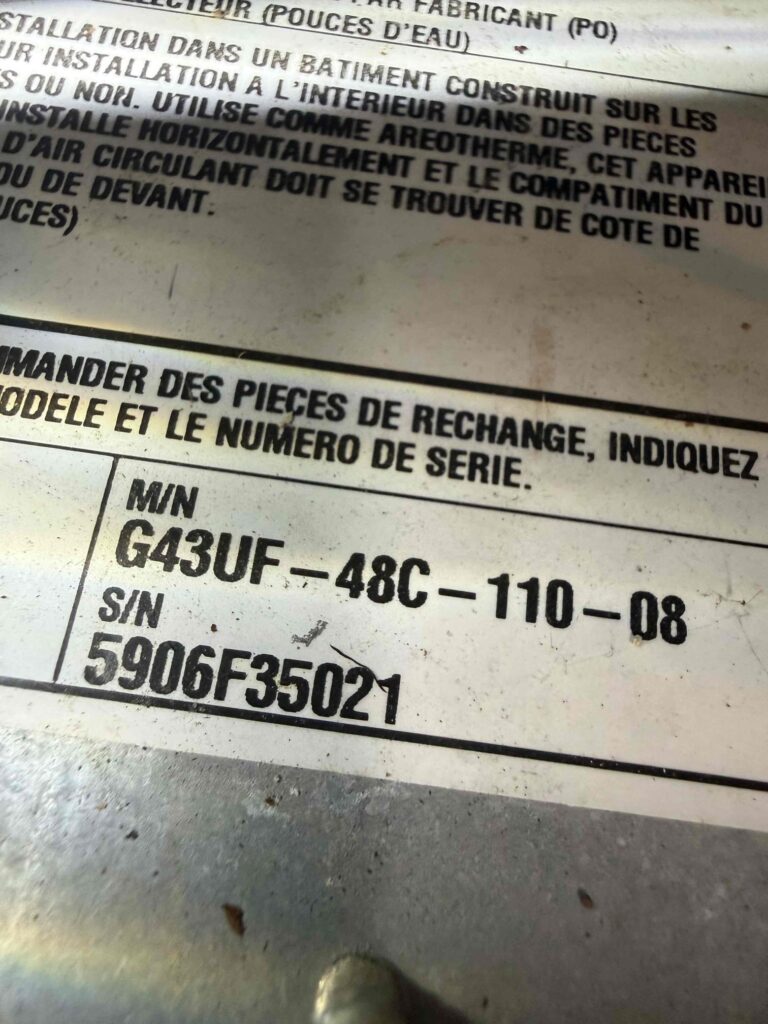
Find the furnace’s data plate inside the cabinet or on an exterior panel. It contains the model and serial numbers.
If you have a clear photo of the model and serial numbers, enter the furnace brand and serial number into Google followed by “manufacture date.” You can also upload the photo to Google Lens.
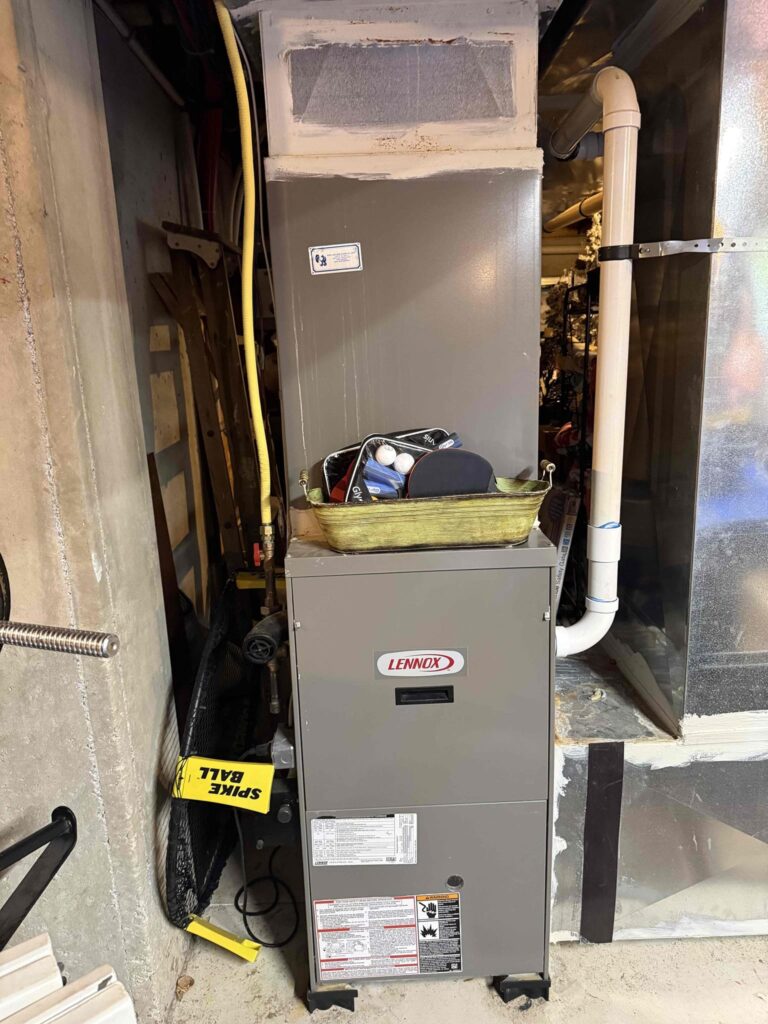
Searching the Lennox serial number 5906F35021 shows that this furnace was manufactured in June 2006.
For example, a Google search for “Lennox furnace serial number age” shows how to read serial number 5906F35021. The 06 means 2006, and the F means June. This furnace was manufactured in June 2006.
Each manufacturer uses a different serial-number format, so the method for finding the furnace’s age may vary by brand.
Get a Clear Furnace Assessment in South Jersey
Laury Heating Cooling & Plumbing has served South Jersey since 1945. We see furnaces fail before 10 years and others operate beyond 20. Installation, maintenance, usage, and condition often explain the difference.
Our NATE-certified technicians inspect the system and explain what they find. If repair makes sense, we will say so. If replacement offers better value, we can help you compare properly sized options.
Call 856-823-4144 or schedule online to request furnace repair, maintenance or a replacement quote.