

A furnace creates heat using fuel or electricity, while a heat pump transfers heat indoors in winter and outdoors in summer.
In South Jersey’s moderate winters, a heat pump can provide efficient heating and cooling from one system. However, a furnace delivers stronger heat during severe cold. For many local homes, a dual fuel system offers the best balance. The heat pump handles moderate weather, while a natural gas furnace takes over when temperatures fall.
Laury Heating Cooling & Plumbing installs furnaces and heat pumps, including dual fuel systems that combine both. This guide explains how each option works and helps you decide which may be right for your home.
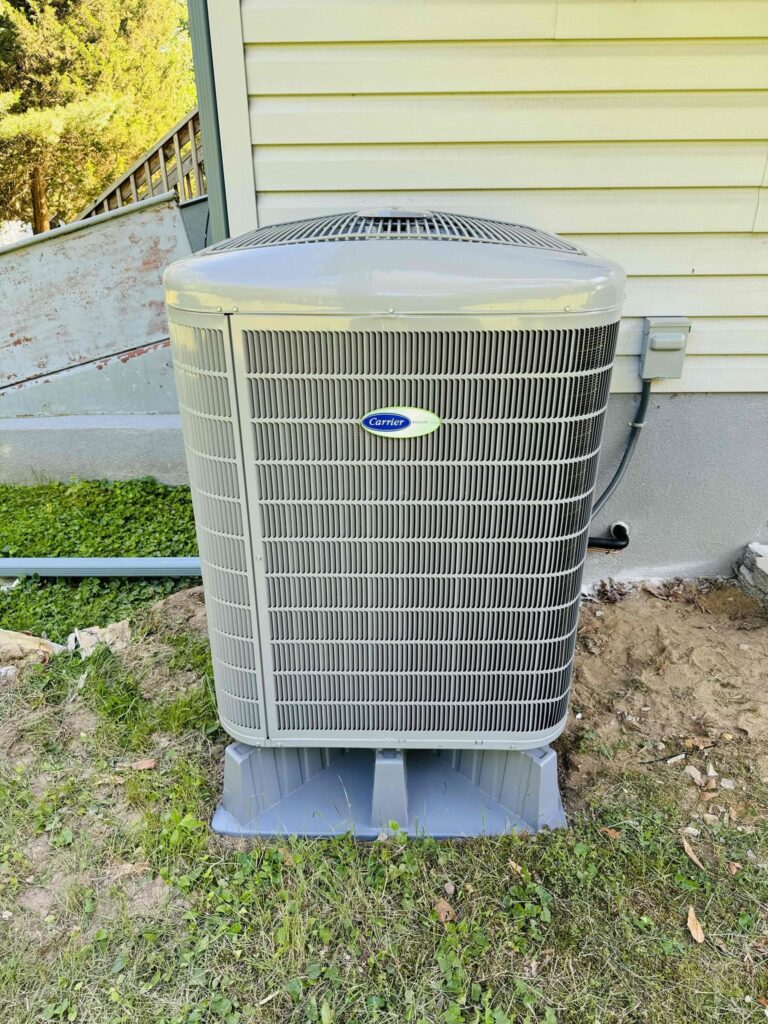
What Is the Difference Between a Furnace and a Heat Pump?
A furnace creates heat. It may use natural gas, propane, oil, or electricity. A blower then moves the heated air through your ductwork.
A heat pump transfers heat. During winter, refrigerant absorbs heat from the outdoor air and moves it inside. During summer, the process reverses and removes heat from your home.
Yes, outdoor air still contains heat when it feels cold. It sounds suspiciously optimistic, but the science checks out.
The basic difference is simple. A furnace only heats. A heat pump provides heating and cooling.
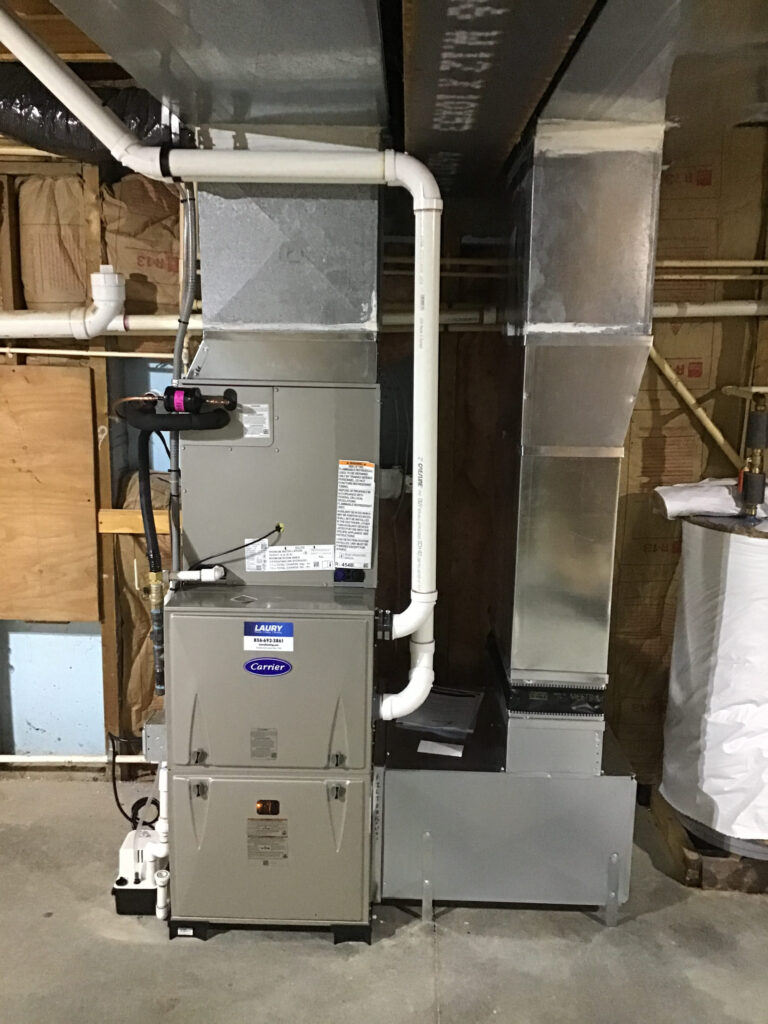
Do Heat Pumps Work Well in South Jersey?
Yes. South Jersey has a useful climate for heat pumps. Winters are cold, but many days are moderate.
Normal daytime highs are about 46°F in December, 41°F in January, and 44°F in February. A properly selected heat pump can efficiently handle many of those heating hours.
However, South Jersey still experiences freezing nights and occasional periods of severe cold. According to New Jersey State Climatologist Dr. David A. Robinson, January 2026 was 3.7°F colder than the statewide average and the coldest January since 2014.
Climate is the long story. Weather still enjoys improvisation.
What Does Milder Weather Mean for a Heat Pump?
In this context, milder weather means cool weather that is not severely cold. A simple starting point is about 35°F and above.
At those temperatures, a heat pump can usually heat the home efficiently without help from a furnace. This covers many South Jersey heating hours during late fall, winter, and early spring.
However, 35°F is not a universal cutoff. Modern cold climate heat pumps can remain efficient at much lower temperatures.
ENERGY STAR cold climate models must demonstrate low temperature performance at 5°F. They must also retain at least 70 percent of their heating capacity at that temperature. Many models continue operating below 5°F.
Still, being able to operate is not the same as being the most economical choice at every temperature. Equipment capacity, electricity prices, and the home’s heating needs all matter.
What Is a Dual Fuel Heating System?
A dual fuel system combines a heat pump with a natural gas furnace. The furnace provides auxiliary heat, also called backup heat.
The heat pump runs during moderate weather. When it gets colder, the furnace takes over.
The temperature when this switch happens is called the changeover temperature.
That temperature depends on:
- The heat pump model and capacity
- The home’s heating needs
- Insulation and air leakage
- Natural gas and electric costs
- Homeowner comfort preferences
The changeover temperature might be near 35°F, but it can be higher or lower. It should be selected for the specific home and equipment.
The heat pump handles conditions where it operates efficiently. The furnace provides stronger heat when temperatures fall. Two machines cooperating without a meeting. Remarkable.
Why Is Dual Fuel Often a Good Choice in South Jersey?
South Jersey’s climate offers a useful middle ground. From the Jersey Shore to the inland Pinelands, many winter days are mild enough for efficient heat pump operation, while occasional cold snaps make natural gas backup valuable.
A dual fuel system offers several practical benefits.
Efficient Heating During Moderate Weather
A heat pump moves heat instead of creating it. This allows it to deliver more heat energy than the electricity it consumes during favorable conditions.
The heat pump can handle much of the heating season instead of burning natural gas on every cool day.
Strong Heat When Temperatures Fall
As outdoor temperatures drop, the heat pump must work harder. The natural gas furnace can then take over and provide hotter air.
This also reduces reliance on electric resistance backup heat, which usually consumes far more electricity than the heat pump itself.
Heating and Cooling From One System
A heat pump also provides central air conditioning. That is becoming more important as South Jersey experiences longer and hotter cooling seasons.
One system handles summer and much of winter. The furnace waits for the colder weather. It is less a backup singer and more the person who knows what to do when the power goes out at the wedding.
How Will Climate Change Affect South Jersey Heating?
New Jersey has warmed by about 4.1°F since 1895. The state now experiences fewer heating degree days and more cooling degree days. In simple terms, homes are spending less time fighting cold and more time fighting heat.
NJDEP projects that New Jersey could warm another 3°F to 8°F by the middle of this century compared with the early twentieth century average.
South Jersey is also expected to experience more hot days, more warm nights, and fewer days below freezing. This favors heat pumps because more winter hours should fall within their efficient operating range. It also increases the value of efficient air conditioning.
However, warmer averages do not eliminate cold snaps. One wealthy person entering a room does not make everyone rich. Averages can be sneaky.
Natural gas backup provides dependable heat during those colder periods. It creates a practical bridge between the climate South Jersey has today and the warmer climate expected in the future.
Is Dual Fuel Always the Best Choice?
No heating system is best for every home.
Dual fuel is often a strong choice for Vineland, Millville, and Bridgeton homes with central ductwork and natural gas service. It is particularly worth considering when both the furnace and air conditioner are aging.
However, some homes may do better with a heat pump alone. Others may benefit from another furnace. Homes with boilers or radiators require a different evaluation.
Anyone declaring one system perfect for every house is either confused or selling that system.
Furnace, Heat Pump, or Dual Fuel: Which Is Better?
| Feature | Heat Pump | Natural Gas Furnace | Dual Fuel |
|---|---|---|---|
| What it does | Heats and cools | Heats only | Heats and cools |
| How it works | Transfers heat using electricity | Burns natural gas to create heat | Combines a heat pump and gas furnace |
| Moderate weather | Usually very efficient | Heats effectively, but may cost more to operate | Heat pump normally runs |
| Very cold weather | Efficiency and capacity vary by model | Provides strong, consistent heat | Furnace takes over when appropriate |
| Air from vents | Warm and steady | Hotter and faster | Warm or hot, depending on which system is running |
| Summer cooling | Yes | No. Separate AC required | Yes, through the heat pump |
| Operating cost | Depends on electric rates and temperature | Depends on gas rates and furnace efficiency | Uses the more practical system based on its settings |
| Service life | Varies by use, maintenance, and installation | Varies by use, maintenance, and installation | Two systems to maintain, but each shares the heating work |
| Installation cost | Best compared with a furnace and AC together | Usually lower when replacing only a furnace | Often higher because it includes both technologies |
| Incentives | Qualifying models may be eligible | Qualifying models may be eligible | Qualifying hybrid systems may be eligible |
| Often best for | Efficient heating and cooling from one system | Strong heat during cold weather | Balanced efficiency, comfort, and cold weather support |
Choose a furnace if you prefer hotter air, have affordable fuel service, or want a dedicated heating system.
Choose a heat pump if you want efficient heating and cooling from one system.
Consider dual fuel if you want heat pump efficiency during moderate weather and natural gas furnace heat during colder conditions. For many South Jersey homes, this provides an excellent balance of comfort and efficiency.
Laury Heating Cooling & Plumbing has served South Jersey since 1945. We’ve installed thousands furnaces, heat pumps and dual fuel systems. Talk to us about heating replacement options for your home.
Call 856-823-4144 or schedule online to compare heating system options, and receive a free quote.