

Yes, heat pumps work in cold weather. Modern systems can heat many South Jersey homes even when temperatures fall below freezing. However, efficiency and heating capacity vary by model. For many local homes, the best option is a dual fuel system. The heat pump handles moderate weather, while a natural gas furnace provides backup heat during colder conditions.
How Does a Heat Pump Work When It Is Cold Outside?
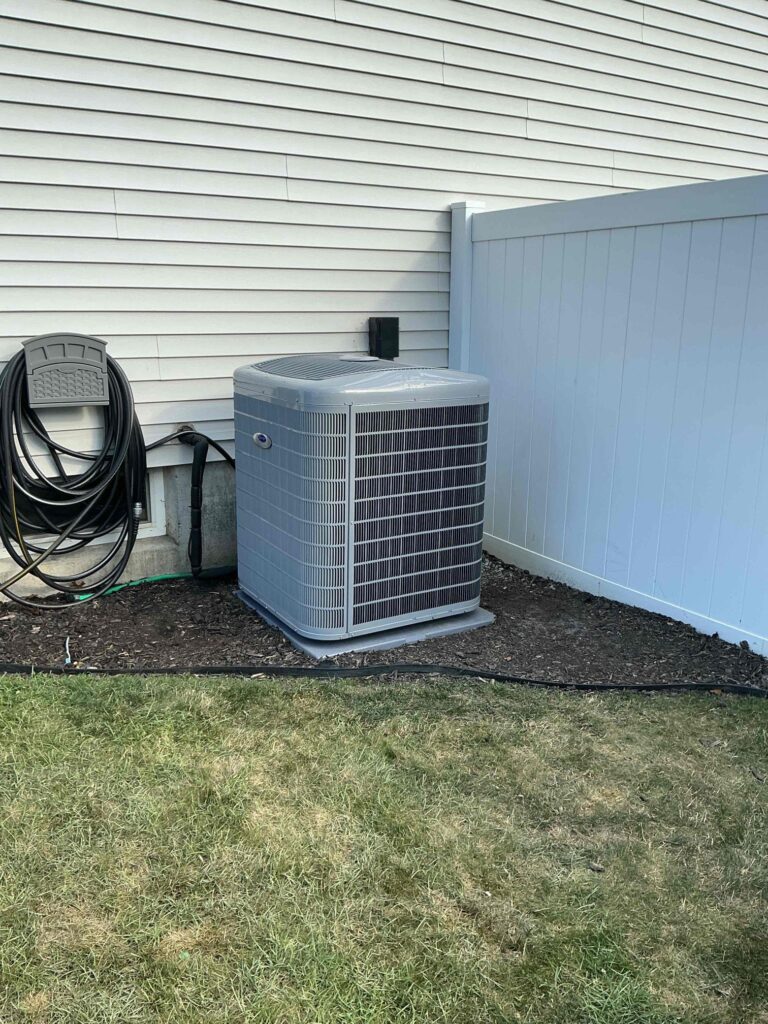
Cold air still contains heat. A heat pump uses refrigerant to absorb that heat and transfer it indoors.
First, the refrigerant becomes colder than the outdoor air. This allows it to absorb heat. The compressor then raises the pressure and temperature of the refrigerant. Finally, the system releases that heat inside your home.
It sounds like the machine is finding warmth where none exists. Rather hopeful of it. Fortunately, the science is sound.
During summer, the process reverses. The heat pump removes heat from your home. Therefore, one system provides both heating and cooling.
How Cold Is Too Cold for a Heat Pump?
There is no single temperature that applies to every heat pump.
About 35°F is a useful starting point when discussing traditional systems. At that temperature and above, many heat pumps can warm a home efficiently without backup heat.
However, modern cold climate heat pumps can perform at much lower temperatures. To earn the ENERGY STAR cold climate designation, a heat pump must demonstrate efficiency at 5°F. It must also retain at least 70 percent of the heating capacity it provides at 47°F. Many models continue operating below 5°F. ENERGY STAR explains these cold climate requirements.
Still, operating is not the same as operating at the lowest possible cost. As temperatures fall, the system must work harder. The home needs more heat at the same time. Winter does enjoy making both problems arrive together.
The right limit depends on the heat pump, the home, and local utility rates.
What Does Milder Weather Mean for a Heat Pump?
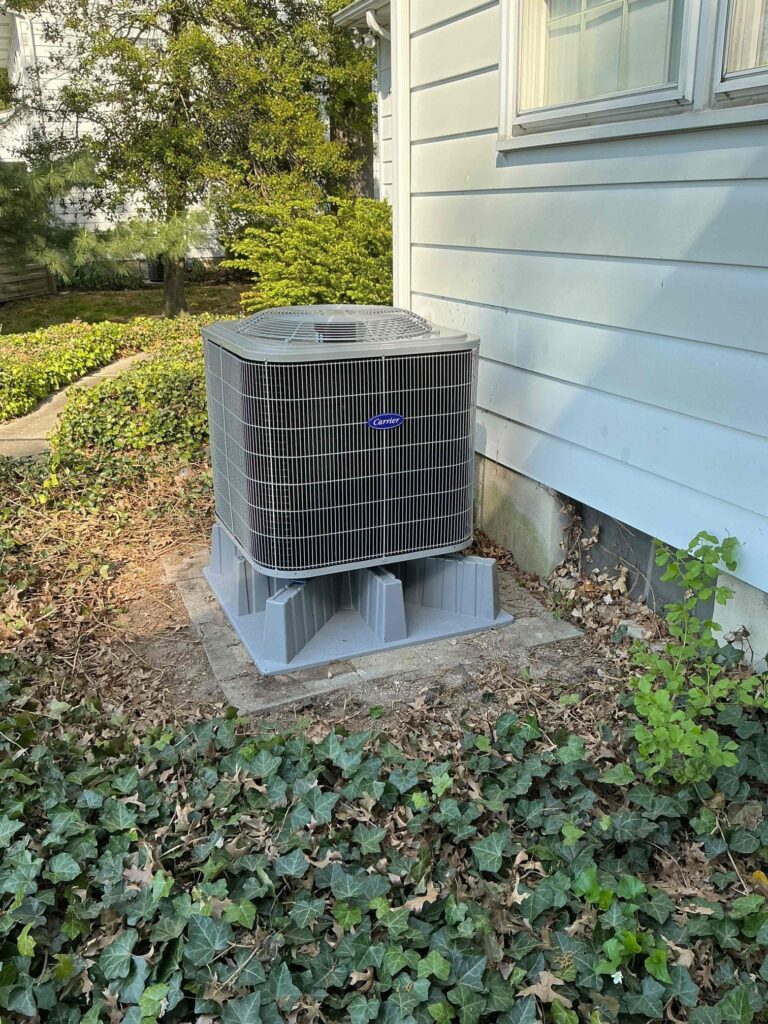
In this context, milder weather means cool weather that is not severely cold. A simple starting point is about 35°F and above.
At those temperatures, a heat pump can usually heat the home efficiently without help from a furnace. This covers many South Jersey heating hours during late fall, winter, and early spring.
However, 35°F is not a universal cutoff. Modern cold climate heat pumps can remain efficient at much lower temperatures.
ENERGY STAR cold climate models must demonstrate low temperature performance at 5°F. They must also retain at least 70 percent of their heating capacity at that temperature. Many models continue operating below 5°F.
Still, being able to operate is not the same as being the most economical choice at every temperature. Equipment capacity, electricity prices, and the home’s heating needs all matter.
What Are South Jersey Winters Really Like?
South Jersey winters bring long stretches of moderate cold. Severe cold usually arrives in shorter bursts. Winter, as usual, refuses to pick a lane.
In Washington Township, January temperatures average about 38°F during the day and 26°F at night. A heat pump can handle many daytime heating hours efficiently, even when mornings begin below freezing.
Freezing nights are common across South Jersey. Modern cold-climate heat pumps can keep working below 32°F. However, they work harder as temperatures fall. A dual-fuel system can switch to the gas furnace at a chosen changeover temperature.
By February, average daytime temperatures in Glassboro rise to about 42°F, while nights average around 29°F. That wide daily swing gives the heat pump plenty of useful hours. The furnace remains ready for colder nights and sudden cold snaps.
That is why dual fuel works well here. The heat pump handles moderate weather. The furnace handles severe cold. South Jersey weather gets to be unpredictable without making your comfort unpredictable.
How Have South Jersey Winters Changed?
New Jersey has become noticeably warmer over the last century.
State records show that the average annual temperature increased by about 4.1°F between 1895 and 2024. Heating degree days have declined. Cooling degree days have increased. In simple terms, New Jersey homes now need less heating overall and more air conditioning. NJDEP summarizes the long term temperature trends.
Winter has not disappeared. It has simply become less consistent.
New Jersey can still experience freezing nights, snow, and sharp cold snaps. A warm winter trend does not mean every January morning will be pleasant. An average is useful, but it will not scrape ice from your windshield.
The important HVAC trend is this: more winter hours now fall within the useful operating range of a heat pump. Yet backup heat remains valuable during the coldest periods.
What Will South Jersey Winters Be Like Over the Next 20 Years?
The warming trend is expected to continue.
NJDEP projects that average temperatures in New Jersey could reach 3°F to 8°F above the 1901 to 1960 average by mid century. Southern New Jersey is also expected to have fewer days below 32°F. Meanwhile, hot days and warm nights are expected to become more common.
Winter and spring precipitation may also increase. More winter precipitation is likely to fall as rain instead of snow.
For homeowners, this creates two clear trends.
First, heat pumps should become useful during an even larger share of the heating season. Warmer winter temperatures allow them to operate efficiently for more hours.
Second, summer cooling will become more important. A heat pump already provides air conditioning, so it prepares the home for both sides of the changing climate.
However, occasional severe cold will remain possible. Climate change shifts the averages. It does not fire winter completely. Winter may work fewer hours, but it still knows where you live.
Why Is a Heat Pump With a Gas Furnace Often Best?
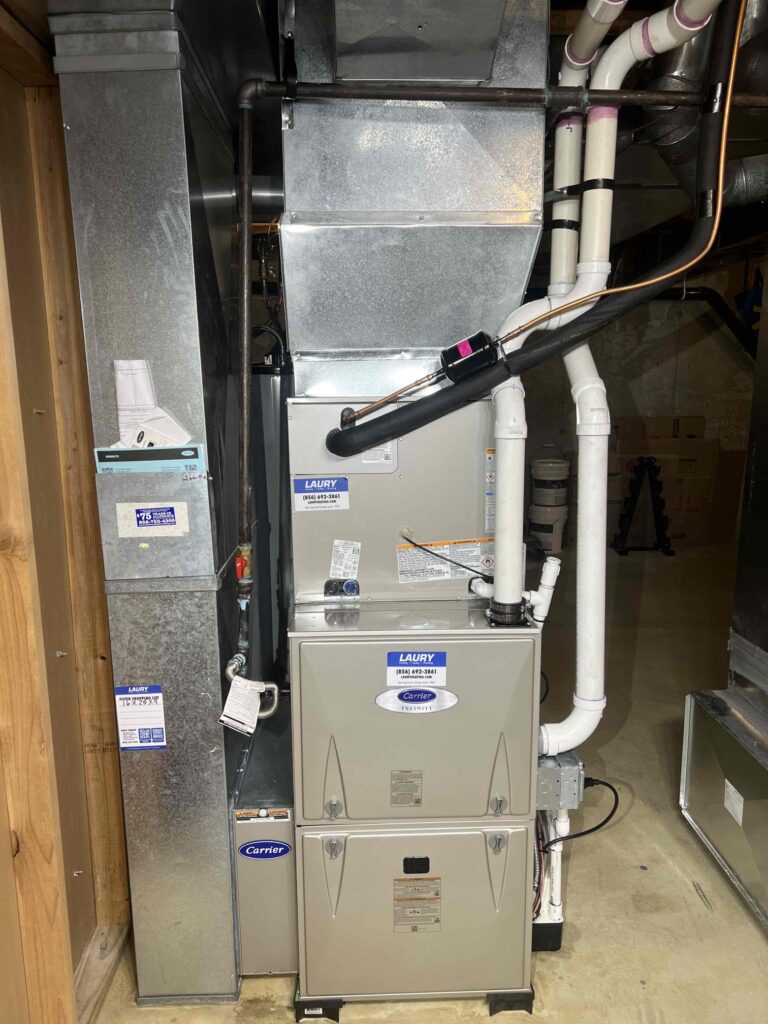
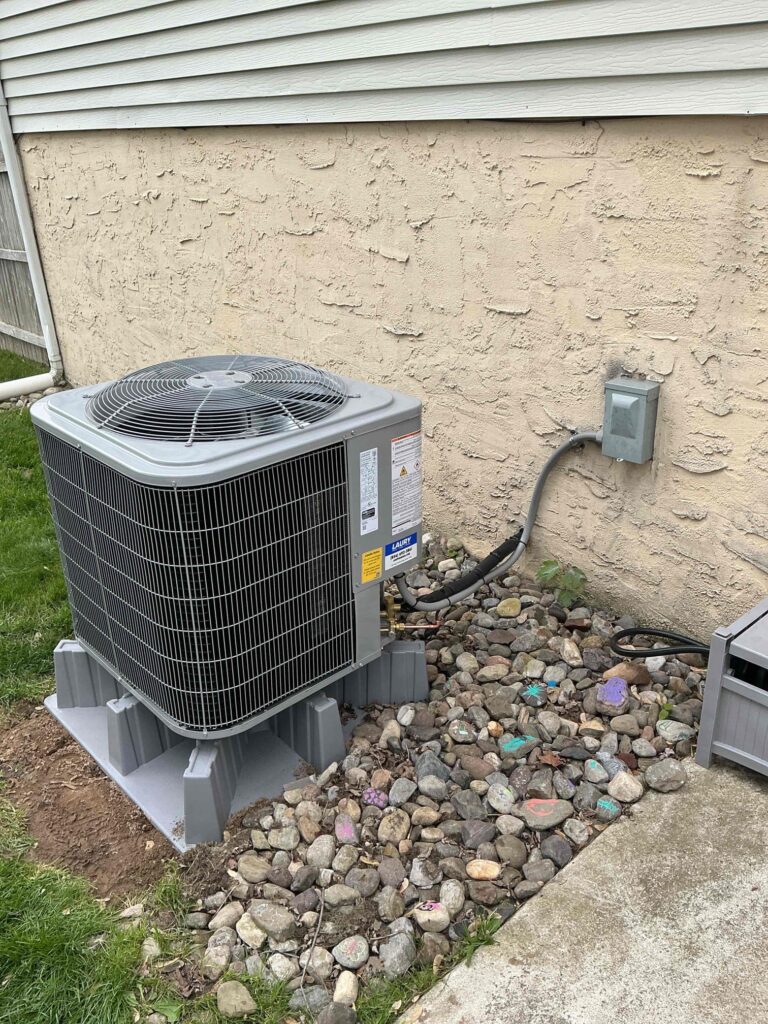
A dual fuel system combines an electric heat pump with a natural gas furnace.
The heat pump operates during moderate weather. The furnace provides auxiliary heat, also called backup heat, when colder temperatures make gas heating more practical.
The outdoor temperature where the system switches is called the changeover temperature. It should be based on the heat pump’s capacity, the home’s heat loss, gas prices, electric rates, and comfort needs.
Dual fuel can provide several benefits.
The heat pump handles much of the heating season efficiently. It also cools and dehumidifies the home during summer. When temperatures fall, the natural gas furnace supplies hotter air and dependable heating capacity.
This arrangement can also reduce the use of electric resistance heat. Electric heat strips can warm the home, but they generally use much more electricity than the heat pump itself.
For many South Jersey homes with natural gas and existing ductwork, dual fuel offers a strong balance of efficiency, comfort, and reliability. The Department of Energy also identifies dual fuel as a practical option in the Mid Atlantic. Department of Energy heat pump guidance.
Each system handles the conditions it manages best. Two machines cooperating quietly. Humanity should take notes.
Is It Normal for a Heat Pump to Run Constantly in Winter?
Heat pumps often run longer than furnaces. This is usually normal.
A furnace sends hotter air through the vents and may operate in shorter cycles. A heat pump supplies gentler heat for longer periods. This helps maintain a steady indoor temperature.
The outdoor unit may also enter defrost mode. During defrost, the system briefly reverses operation to melt frost from the outdoor coil. Steam rising from the unit can be normal. It does not mean the machine has begun its final confession.
However, call for service if the home cannot reach the thermostat setting, the backup heat runs constantly, energy use suddenly rises, or thick ice remains on the outdoor unit.
Which Heat Pump Is Right for Your South Jersey Home?
The right system depends on more than outdoor temperature. Home size, insulation, air leakage, ductwork, electrical service, and available fuel sources all matter.
Laury Heating Cooling & Plumbing installs heat pumps, furnaces, and dual-fuel systems in Gloucester County and throughout South Jersey.
If you are planning a replacement, learn more about our heating installation services. Call 856-823-4144 or schedule online to compare your options and request a free quote.