

Your water heater may run out of hot water because the tank is too small, demand has increased or a part is failing. Sediment, a bad heating element and a damaged dip tube are also common causes.
It usually happens at the worst time. The first person gets a long, hot shower. The next gets two minutes before the water heater decides it has done enough for the day.
Start with one question: Has this always happened, or is it new? If you have never had enough hot water, the system may be too small. If the problem began suddenly, something may need repair.
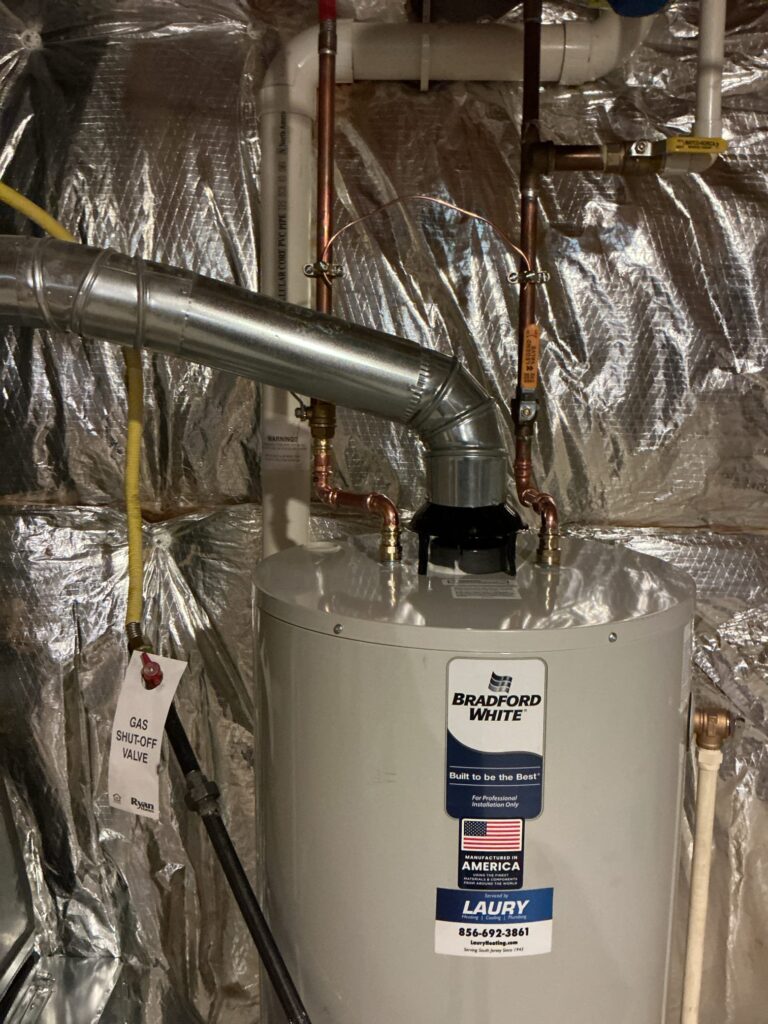
1. You Are Using More Hot Water Than the Tank Holds
A traditional water heater stores a limited supply. Back-to-back showers can empty it quickly. So can running another appliance at the same time.
The heater is not being selfish. It is empty. Unlike people, it cannot pretend otherwise.
Recovery rate matters too. That is how quickly the system heats more water. Your heater must fit the way you actually live. Not the calm little household you imagined when buying it.
2. Sediment Has Built Up
Minerals settle at the bottom of a tank. They take up space and make the heater work harder.
You may believe you own a 50-gallon water heater. Unfortunately, several gallons may now be a mineral collection nobody asked for.
Popping or rumbling can be a warning sign. Bradford White recommends professional maintenance that may include flushing. Have an older, neglected unit inspected before draining it.
3. A Heating Part Has Failed
Most electric tank water heaters have two heating elements. If the lower one fails, the top still becomes hot. You get some hot water, but not enough.
A bad thermostat can do the same. Testing these parts involves water and electricity. Both are useful. Together, they have a difficult relationship.
Gas units can develop burner, ignition or gas-control problems. You may notice lukewarm water, slow recovery or an error code. If you smell gas, leave the area and follow your gas utility’s instructions. This is not the moment to become a self-certified engineer because you watched an eight-minute video.
4. The Dip Tube Is Damaged
The dip tube sends cold water to the bottom of the tank. If it cracks, cold water mixes with hot water too soon. Your shower turns lukewarm early.
A plumber can inspect the system and find the cause.
5. The Problem Is Only at One Shower
Sometimes the water heater is innocent. A worn shower cartridge or mixing valve can add too much cold water.
Test several fixtures. If the kitchen stays hot but one shower does not, the trouble may be there. This can prevent the expensive and slightly embarrassing replacement of a perfectly good heater.
Why Does Hot Water Run Out Faster in Winter?
Incoming water is colder during a South Jersey winter. Your water heater must work longer to heat it. People also tend to take hotter showers.
A system that worked in August may struggle in January. Just physics continuing its long tradition of refusing to negotiate.
Why Does My Tankless Water Heater Go Cold?
A tankless water heater does not empty, but it can be overwhelmed. Common causes include:
- Too many fixtures running at once
- An undersized unit
- Mineral scale or a clogged filter
- An ignition or gas-supply problem
- A system error
A properly sized unit can provide continuous hot water. “Continuous” does not mean “unlimited at twelve fixtures.” It is a water heater, not a minor deity.
Tankless units also need maintenance. Learn more in our guide to tankless versus traditional water heaters.
What Can You Check Before Calling a Plumber?
Do not dismantle anything. Just check the basics:
- Does every fixture have the same problem?
- Did it begin suddenly?
- Is there an error code?
- Do you hear popping or rumbling?
- Is there water or corrosion around the tank?
- How old is the unit?
Do not remove electrical panels or work on gas parts. Wanting a hot shower is reasonable. Risking shock, fire or a gas leak for one is less so.
Should You Repair or Replace the Water Heater?
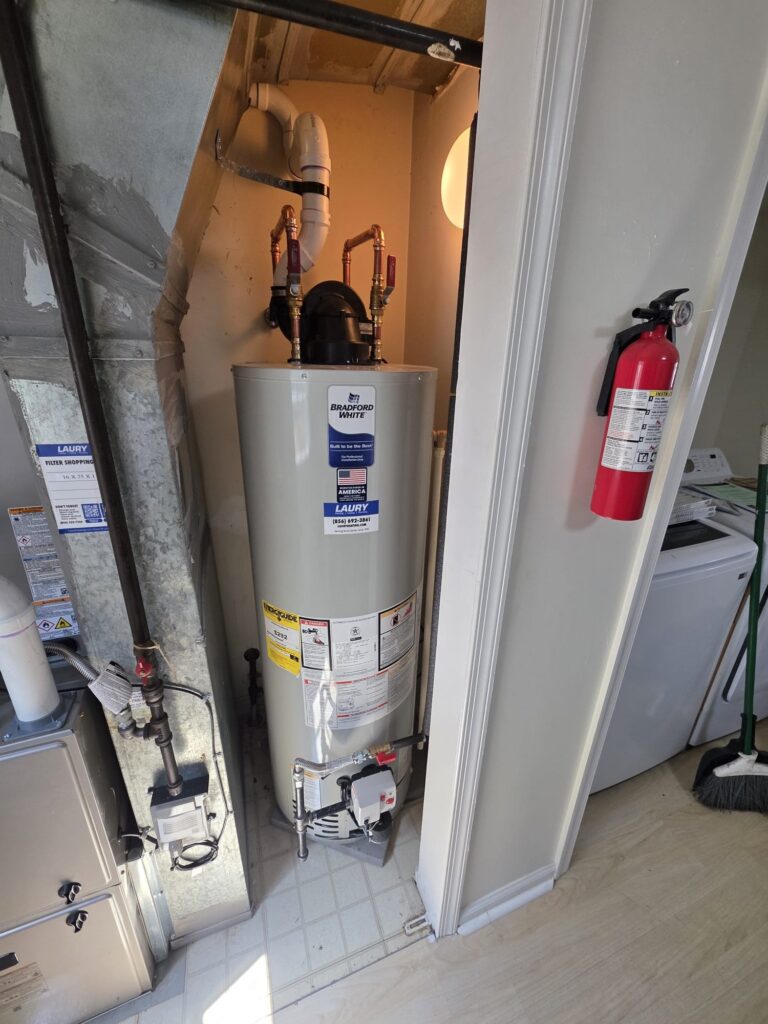
Repair may make sense if the tank is sound and a replaceable part has failed.
Replacement may be wiser if the tank is leaking, badly corroded, inefficient or too small. There is dignity in growing old. There is less dignity in leaking across the basement floor while everyone insists you still have a few good years left.
Water Heater Service in South Jersey
Laury Heating Cooling & Plumbing provides water heater repair and replacement throughout South Jersey. We service oil, gas, electric, tank and tankless water heaters.
Our licensed plumbers serve Hammonton, Mays Landing, Egg Harbor Township and nearby areas. Laury has served South Jersey since 1945. Our plumbing services are overseen by NJ Master Plumber Ted J. Laury, License #11041. We are also a Rinnai ACE PRO, Rinnai’s highest-tier installer and service certification.
If your hot water disappears too quickly, call 856-823-4144 or schedule service online. We will find the problem and explain your options. No sermon. No plumbing theatre. Only an honest answer.
FAQs
If your hot water runs out after 10 minutes, the tank may be undersized or filled with sediment. A failed lower heating element, damaged dip tube or faulty thermostat can also reduce the amount of hot water available.
Yes. Sediment can make hot water run out faster because it occupies space inside the tank and interferes with heat transfer. As buildup increases, the heater may hold less usable water and recover more slowly.
If you have less hot water than you used to, the water heater may have sediment buildup or a failing part. A sudden whole-house change often points to the heating element, thermostat, burner or dip tube.
A tankless water heater provides continuous hot water, but not truly unlimited hot water. Every unit has a maximum flow rate. If several fixtures exceed that capacity, the water temperature or flow can drop.